Ekhbary News Agency | May 11, 2024
The United States and Iran have dramatically escalated their military exchanges, targeting infrastructure and strategic sites as their struggle for control over the Strait of Hormuz intensifies. This renewed aggression marks a critical phase in a conflict now spanning over four months, with no immediate resolution in sight following the collapse of an interim ceasefire. For what it's worth, the region's stability hangs by a thread.
Regional Impact and Interceptions
Kuwait reported intercepting Iranian missiles and drones on Saturday, confirming a water desalination plant was struck, causing a fire. This incident marks the second such attack in two days for the desert nation, which relies on desalination for 90 percent of its potable water. The Kuwait Fire Force disclosed injuries to several firefighters and a worker battling two other blazes ignited by Iranian strikes. Subsequently, Kuwait briefly closed its airspace, prompting Kuwait Airways to reschedule most flights. Meanwhile, Iraq announced shooting down attack drones over Irbil, and Jordan's Petra news agency stated its air defense systems had intercepted Iranian missiles. Air sirens also repeatedly sounded in Bahrain, according to government reports.
read_also
- Oukitel WP210: A Balanced Rugged Phone Tested for Durability
- Quantum-Resistant USB Drive Tested: High Security Without Extreme Cost
- ZDNET Details Independent Review Process for Product Recommendations
- India's First Private Rocket Vikram-1 Achieves Orbit on Debut Launch
- AI Coding Harnesses: Lean vs. Structured Context Approaches Emerge
Strategic Targets and Casualties
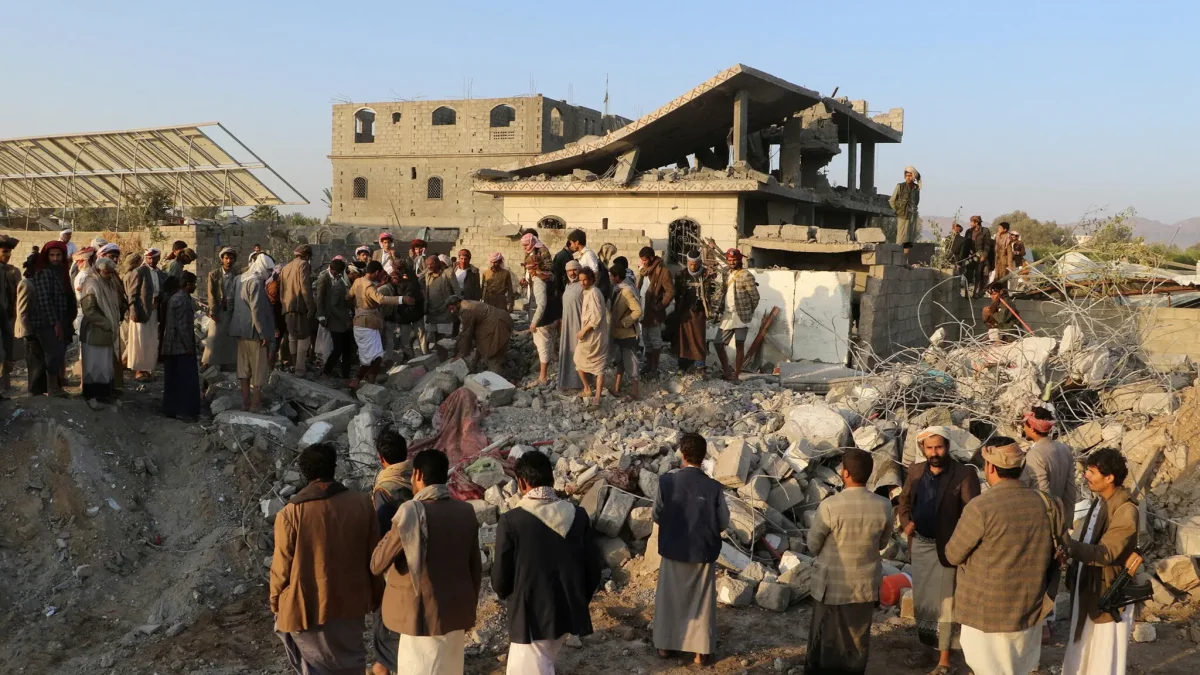
The U.S. Central Command confirmed its seventh consecutive night of strikes hit "surveillance sites, military logistics infrastructure, underground weapons storage, and maritime capabilities." Iranian state television, conversely, reported U.S. airstrikes on an electricity and desalination plant in Hormozgan province, specifically targeting Bonji village on the Strait of Hormuz coast. Overnight attacks damaged tunnels and a bridge, disrupting a key highway towards Bandar Abbas, a city near the strait's narrowest point. Iran also cited strikes on strategic Qeshm Island. Tehran acknowledged "attacks on power infrastructure" for the first time, urging power conservation in southern provinces. Iranian authorities claim at least 46 people have been killed and over 400 wounded in recent U.S. strikes, including eight from a bridge attack. The Islamic Revolutionary Guard Corps issued a stern warning to countries hosting U.S. forces, advising them to "be prepared to receive a corresponding response." The U.S. military acknowledged 13 additional service members, including 10 Army soldiers, sustained injuries.
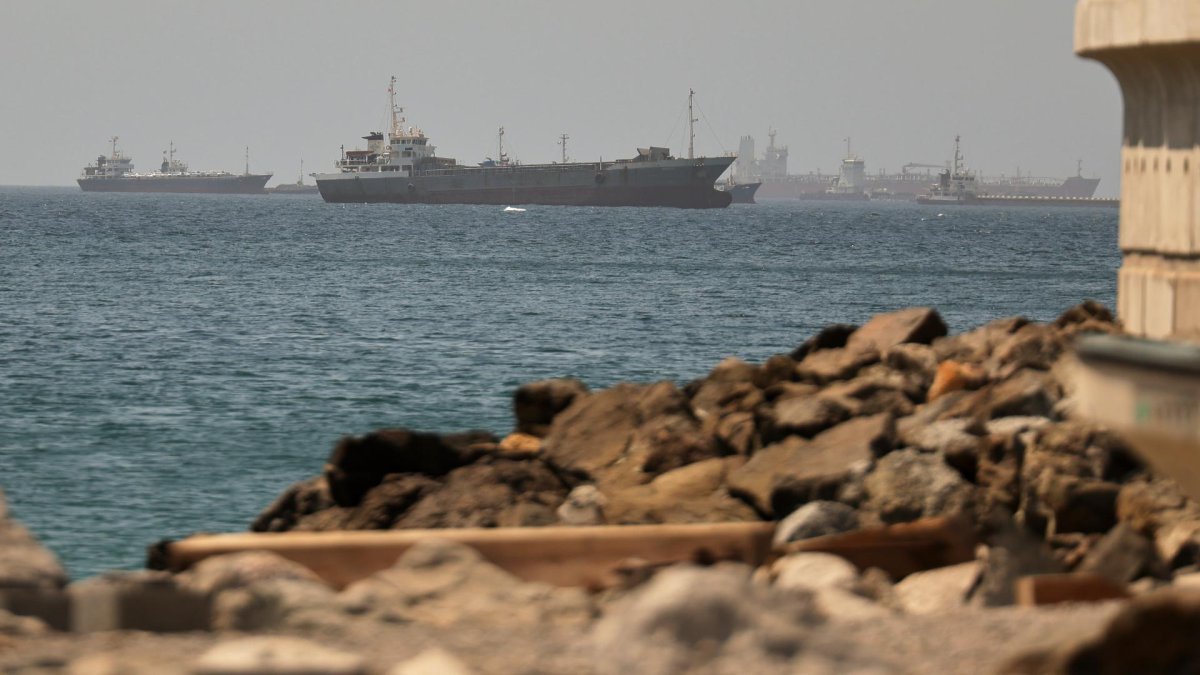
The closure of the Strait of Hormuz to shipping traffic since February 28 has already sent oil prices soaring, granting Iran significant leverage in any future negotiations. Oil prices climbed above $86 a barrel on Friday, nearing a month-high, as crossings through the vital waterway reached a three-week low. President Trump, despite the escalating conflict, insisted to the American public on Thursday evening that "We are likewise winning big in Iran, and you will see the fruits of that labor very, very shortly." This ongoing confrontation places considerable political pressure on Trump to conclude the war, avoiding the prolonged Middle East engagement he previously campaigned against.