California, United States — Ekhbary News Agency
The recent collapse of Silicon Valley Bank (SVB) has sharply refocused attention on the systemic disparities confronting entrepreneurs of color within the United States' financial landscape. Many minority founders, for what it's worth, relied heavily on SVB's unique support, now facing intensified challenges in securing vital capital.
SVB's Unique Support for Underrepresented Communities
Arlan Hamilton, founder and managing partner of Backstage Capital, a Black woman with extensive business acumen, quickly recognized the limited options facing founders of color who panicked over payroll access following SVB's downfall. Established in 1983, SVB, once America's 16th largest bank, had cultivated a reputation for actively serving underrepresented communities. It consistently sponsored conferences and networking events, notably funding the annual State of Black Venture Report by BLK VC, a nonprofit dedicated to empowering Black investors.
read_also
- Oukitel WP210: A Balanced Rugged Phone Tested for Durability
- Quantum-Resistant USB Drive Tested: High Security Without Extreme Cost
- ZDNET Details Independent Review Process for Product Recommendations
- India's First Private Rocket Vikram-1 Achieves Orbit on Debut Launch
- AI Coding Harnesses: Lean vs. Structured Context Approaches Emerge
Persistent Lending Discrimination Exacerbates Vulnerabilities
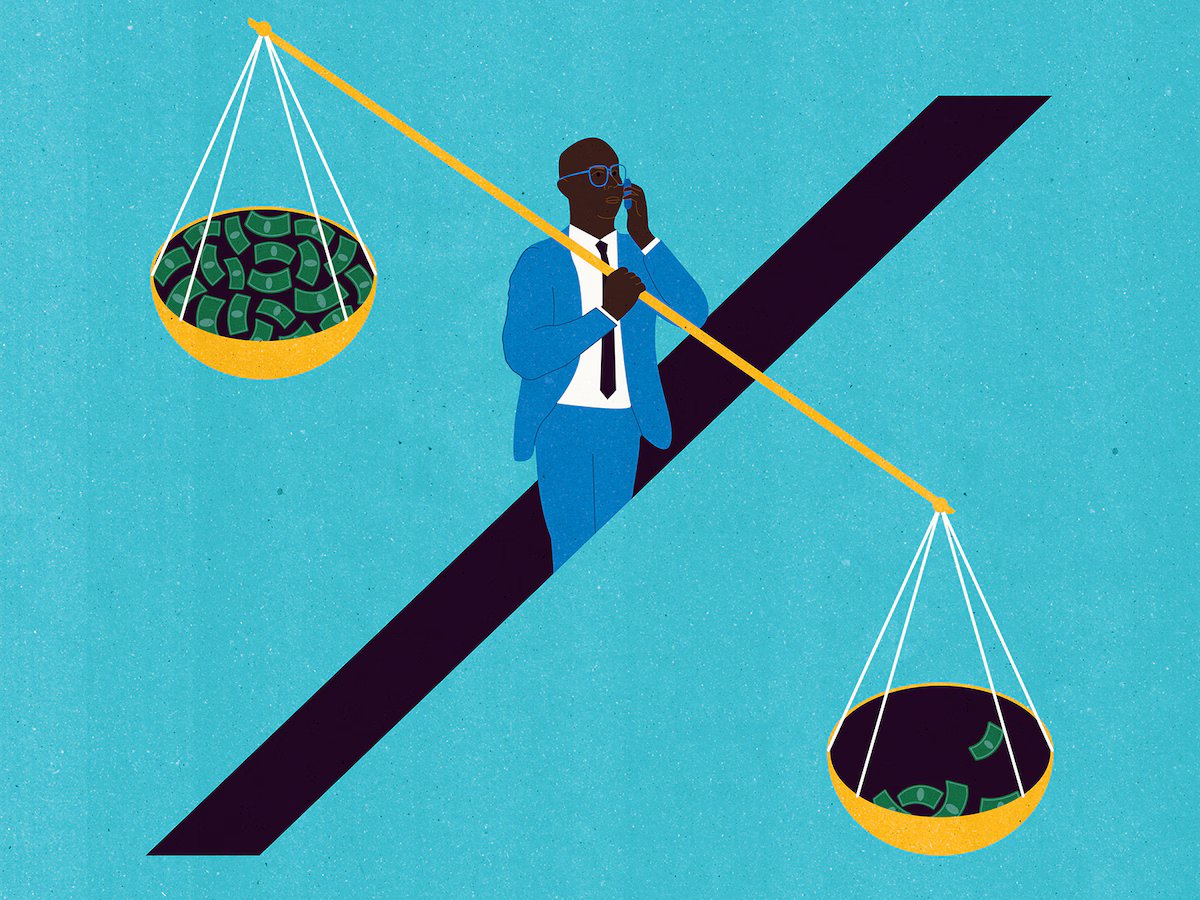
Joynicole Martinez, a veteran entrepreneur and chief advancement and innovation officer for Rising Tide Capital, affirmed SVB's willingness to "say yes" when other institutions declined. She highlighted the bank's provision of discounted tech tools and research funding, crucial for minority business owners. Data from the Small Business Credit Survey, a collaborative effort by Federal Reserve banks, starkly illustrates these disparities: in 2021, only 16% of Black-led companies secured their full requested financing from banks, a stark contrast to 35% of White-owned firms. Martinez stressed, "We know there’s historic, systemic, and just blatant racism that’s inherent in lending and banking. We have to start there and not tip-toe around it." The collapse, therefore, did not create new problems but rather illuminated existing, profound inequities.
Immigrant Founders Mobilize for Support
Asya Bradley, an immigrant founder of multiple tech ventures, recounted joining a WhatsApp group of over 1,000 immigrant business founders post-SVB collapse. These individuals, often lacking Social Security numbers or permanent U.S. addresses, swiftly mobilized to share strategies for securing funding within a system frequently failing to recognize them. Bradley noted the community's swift action in identifying regional banks willing to assist former SVB clients, underscoring the vital role of such networks when mainstream options prove inaccessible, particularly for women, people of color, and immigrants often rejected by larger institutions like JPMorgan Chase or Bank of America.